Psychiatric Care for Children with Functional Neurological Disorder
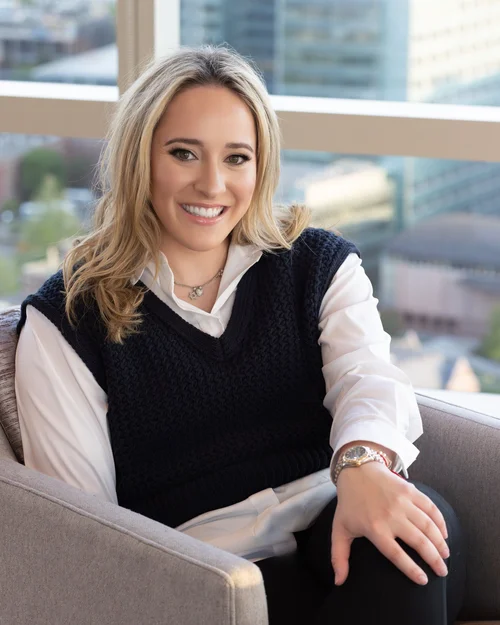
Dr. Annabel Kuhn works with children and adolescents who have functional neurological disorder, including functional seizures and other functional symptoms. She completed her Child and Adolescent Psychiatry fellowship at Boston Children's Hospital.
Families with FND often have particular difficulty finding psychiatric care. They are passed back and forth between medical and mental health providers, and those providers are frequently unable to communicate with each other. Dr. Kuhn keeps a limited patient panel specifically so that she has the time to communicate and collaborate.
Her role is to address the psychiatric and behavioral components of recovery, alongside the neurologists, therapists, and school staff already involved.
Every family begins with a brief phone conversation before scheduling an evaluation.
Where Dr. Kuhn Fits In
Dr. Kuhn does
- Help the child and family understand the FND diagnosis
- Evaluate and treat co-occurring mental health conditions
- Support a structured return to school and activities
- Coordinate with neurology, physical and occupational therapy, psychotherapy, and the school
- Provide medication management when a co-occurring condition warrants it
Dr. Kuhn does not
- Make or confirm the neurological diagnosis of FND
- Order or interpret EEG, video EEG, or imaging
- Provide physical or occupational therapy
- Suggest that functional symptoms are imagined or under the child's control
- Replace the neurology team
What Families Often Notice
Functional symptoms can appear suddenly and can fluctuate. Families often describe some combination of:
Dr. Kuhn's Approach
Care begins with an initial evaluation of at least two hours. Dr. Kuhn usually starts with a 60 minute appointment with parents or caregivers before meeting the child, which gives the adults space to share the complete history and to raise concerns they may not want to discuss in front of their child.
She then spends about 60 minutes with the child, usually with a parent present for at least part of the visit. She wants to understand the child as an individual, and she also pays attention to how the child and parents communicate and relate to one another, because family dynamics are essential to understanding a child's perspective and to how recovery actually proceeds.
Much of the work is coordination. Recovery from FND generally depends on the neurologist, the psychotherapist, the physical or occupational therapist, and the school all pulling in the same direction. Dr. Kuhn has the time to make those calls.
Who Dr. Kuhn Coordinates With
FND recovery is rarely the work of one clinician. With your consent, Dr. Kuhn communicates with the people who hold the other pieces.
Frequently Asked Questions
What is functional neurological disorder?
Functional neurological disorder is a condition in which the nervous system does not function properly, producing real neurological symptoms such as seizures, weakness, abnormal movements, or sensory changes, without the structural damage seen in conditions like epilepsy or multiple sclerosis. The symptoms are genuine and are not under the child's control. The diagnosis is made by a neurologist based on positive clinical signs rather than by ruling everything else out.
Does Dr. Kuhn diagnose FND?
No. The FND diagnosis is made by neurology. Dr. Kuhn's role begins after that, addressing the psychiatric and behavioral components of recovery, treating any co-occurring mental health conditions, and coordinating the team. She does not order or interpret neurological testing.
We have been told the symptoms are psychological. Is that what this is?
No, and that framing is one reason these families struggle. FND is a disorder of how the nervous system functions, and the symptoms are real. Psychiatric care is part of recovery for many children because stress, anxiety, mood, and the disruption of missing school all interact with functional symptoms, not because the symptoms are imagined. Dr. Kuhn does not treat FND as something a child is doing on purpose.
Why is it so hard to find this kind of care?
Families with FND are often passed between neurology and mental health, with neither side able to spend time communicating with the other. Standard psychiatric practice is built around brief appointments focused on prescribing, which leaves no room to review a complicated history or speak with other providers. Dr. Kuhn keeps a limited panel specifically so that this coordination is possible.
Can Dr. Kuhn help my child get back to school?
Yes, and it is often a central goal. Extended absence tends to make functional symptoms harder to recover from. Dr. Kuhn works with families and school staff on a graded, realistic return plan, and coordinates with the rest of the treatment team so that everyone is working toward the same target.
How do we start?
Every family begins with a brief ten-minute phone call with a parent or caregiver, so you can describe what you are looking for and Dr. Kuhn can confirm that her practice fits your child's needs. If it is a good fit, the initial evaluation follows, beginning with a 60 to 90 minute virtual appointment with parents before she meets your child.
Our Location
Brookline, MA 02446
Virtual appointments available throughout Massachusetts
Located on Beacon Street near Coolidge Corner, one mile from Boston Children's Hospital and the Longwood Medical Area.
Start With a 10-Minute Call
Before scheduling an evaluation, Dr. Kuhn speaks with a parent or caregiver by phone for about ten minutes. It is a chance to describe what your child needs, ask about her approach, and decide together whether this practice is the right fit.
Request a Call